
Most audiophiles spend months selecting amplifiers, turntables, and speakers, then place everything on a glass-and-steel rack without a second thought. That choice, as routine as it seems, can quietly undermine everything you've invested in your system. The furniture supporting your equipment is not a passive element. It interacts with vibrations, absorbs or reflects energy, and contributes to the acoustic environment in your room. Natural materials like solid wood, bamboo, and stone bring unique structural properties that synthetic alternatives simply cannot replicate, and understanding why can genuinely change the way you build and enjoy your listening space.
Table of Contents
- What makes a material 'natural' and why it matters
- The science: How natural materials enhance sound performance
- Natural materials and aesthetic value: Beyond acoustics
- Making the right choice: Materials in practice for audiophiles
- Our take: Why natural materials are worth the investment
- Enhance your system with authentic natural audio furniture
- Frequently asked questions
Key Takeaways
| Point | Details |
|---|---|
| Acoustic superiority | Natural materials like solid wood reduce unwanted vibration and enhance sound quality. |
| Timeless aesthetics | Handcrafted wood and stone add unique beauty to audio setups and home decor. |
| Lasting investment | Quality natural racks outlast synthetics and improve with age and proper care. |
| Informed choices | Knowing what to look for helps audiophiles choose furniture that fits their needs. |
What makes a material 'natural' and why it matters
When we talk about natural materials in the context of audio furniture, we mean materials sourced directly from the earth with minimal industrial processing. Solid hardwoods like walnut, oak, cherry, and ash are the most common. Bamboo, though technically a grass, shares many of the same structural qualities. Stone and slate also appear in high-end stands, particularly as shelving surfaces. These materials contrast sharply with synthetics like MDF, tempered glass, aluminum, and steel, which are engineered for cost efficiency and uniformity rather than acoustic performance.
The structural difference matters more than most people realize. Natural materials are not uniform at the molecular level. Wood, for instance, has a cellular grain structure that is irregular and complex, which means it handles vibrational energy differently depending on the direction, frequency, and amplitude of that energy. Synthetics tend to be more homogeneous, which can cause them to resonate at specific frequencies in a predictable and often problematic way. Natural materials like solid wood have unique acoustic properties and help minimize unwanted resonance in high-quality audio furniture.
Here is what sets natural materials apart from synthetics in audio furniture:
- Grain complexity: Wood grain creates irregular pathways that scatter and absorb vibrational energy rather than amplifying it.
- Density variation: Different hardwoods offer different density profiles, letting you tune the acoustic character of your rack.
- Thermal stability: Natural wood responds to temperature and humidity gradually, reducing stress on joints and finishes over time.
- Resonance damping: Stone and hardwood surfaces resist the kind of sympathetic resonance that glass and metal are prone to.
- Renewability: Responsibly sourced hardwoods are a sustainable choice, which matters to us and to many of our customers.
Pro Tip: If you are building a new listening room or upgrading your setup, consider the density of the wood species in your rack relative to the weight of your components. Denser woods like oak and walnut tend to perform better under heavier amplifiers and turntables.
The science: How natural materials enhance sound performance
Now that we're clear on what natural materials are, let's look at how they actually shape what you hear. Every piece of audio equipment generates micro-vibrations during operation. Your turntable motor, your amplifier's transformer, even the air pressure from your speakers all create mechanical energy that travels through surfaces and into your components. This is not a theoretical problem. It is a measurable one, and it affects the signal your equipment processes.
When vibrations enter sensitive components like a phono cartridge or a DAC, they can introduce noise into the signal path. This shows up as a slight blurring of detail, a loss of instrument separation, or a vague coloration of the sound that is hard to identify but easy to feel. Solid wood racks offer superior isolation by absorbing micro-vibrations, resulting in clearer audio reproduction.
Here is a comparison of how common rack materials handle resonance and vibration absorption:
| Material | Resonance tendency | Vibration absorption | Acoustic character |
|---|---|---|---|
| Solid oak | Low | High | Warm, natural |
| Solid walnut | Low | High | Rich, slightly dark |
| Tempered glass | High | Very low | Bright, ringing |
| Aluminum | Medium | Low | Neutral but reflective |
| MDF | Medium-High | Low to medium | Dull, prone to coloration |
| Bamboo | Low | Medium-High | Clean, slightly bright |
The difference between a glass shelf and a solid walnut shelf under your turntable is not subtle to a trained ear. Glass rings. It has a natural resonant frequency that can interact with the frequencies your stylus is trying to read. Walnut absorbs. It converts vibrational energy into a tiny amount of heat rather than feeding it back into your equipment. For critical listeners, this distinction is everything. The science is straightforward, and the listening results confirm it.

Natural materials and aesthetic value: Beyond acoustics
Sound is paramount, but for many music lovers, audio furniture is also a visual centerpiece. A well-chosen rack or speaker stand is something you live with every day, and it should feel like it belongs in your space rather than just tolerating it. This is where natural materials deliver something synthetics genuinely cannot: character.
Every piece of solid wood is unique. The grain pattern in a walnut rack is not repeated anywhere else in the world. The figure in a cherry shelf, the ray fleck in quartersawn oak, the subtle color variation across an ash surface, these are not imperfections. They are evidence of a living material with a history. Natural finishes complement home décor and are often chosen for their unique patterns and warmth.
Here is why audiophiles consistently choose handcrafted natural wood racks for their listening rooms:
- Visual warmth: Wood tones soften the often cold, technical look of audio equipment.
- Timeless design: A well-made hardwood rack does not go out of style the way metal-and-glass trends do.
- Customization: Natural materials accept stains, oils, and finishes that let you match existing furniture.
- Tactile satisfaction: There is a physical pleasure in touching well-finished wood that no synthetic surface replicates.
- Conversation piece: Guests notice handcrafted furniture. It signals intentionality and care.
"Integrating natural wood into a listening room is one of the most effective ways to unify a space. The organic texture grounds the room and makes high-tech equipment feel intentional rather than intrusive." — Interior design perspective on audio room aesthetics
Contrast this with a rack built from powder-coated steel and tempered glass. It may look clean and modern on day one, but it lacks the depth and warmth that natural materials develop over time. Wood, properly finished and cared for, becomes more beautiful with age. That is a quality worth paying for.
Making the right choice: Materials in practice for audiophiles
Understanding the appeal is one thing, but choosing the right natural material for your system is where audiophiles can make the biggest impact. Not all wood racks are created equal, and the difference between a well-crafted piece and a poorly assembled one is audible as well as visible.
Handcrafted racks from natural materials can increase both the resale value and enjoyment of high-end audio systems. Here is a step-by-step process for selecting the best rack for your setup:
- Assess your component weight and size. Measure your amplifier, turntable, and other components. Match shelf depth and load rating to your actual gear, not a rough estimate.
- Choose your wood species based on acoustic goals. Dense hardwoods like oak and walnut provide maximum damping. Lighter species like ash offer a slightly different tonal character that some listeners prefer.
- Inspect joinery quality. Mortise and tenon joints, dovetails, and proper glue-up indicate craftsmanship. Avoid racks that rely on screws alone for structural integrity.
- Evaluate the finish. Oil and wax finishes allow the wood to breathe and are easier to restore. Lacquer finishes are more protective but harder to repair.
- Consider spike or footer options. Heavy spikes under the rack decouple it from the floor, reducing the transfer of airborne vibrations from your speakers back into your components.
- Match the aesthetic to your room. A walnut rack in a room with light maple floors may clash. Bring a wood sample home before committing.
Pro Tip: Ask your rack maker about the moisture content of the wood used. Properly dried hardwood (below 8% moisture content) is far more dimensionally stable and less likely to warp or crack over time, which protects both the furniture and your equipment.
Care is also part of the equation. Natural wood finishes benefit from regular dusting with a soft cloth and occasional application of a quality oil or wax. Avoid silicone-based polishes, which can seal the wood and interfere with future refinishing. Treat your rack the way you treat your speakers: with consistent, gentle attention.
Our take: Why natural materials are worth the investment
We have been building and living with natural wood audio furniture long enough to say this plainly: the improvement is real, and it is not just about sound. Yes, you will hear a difference when you move your turntable from a glass shelf to a solid walnut one. The background gets quieter, detail sharpens, and the music feels more present. That part is measurable and repeatable.
But what most guides miss is the emotional dimension. There is a pride of ownership that comes with a handcrafted piece built from real wood by someone who understands what it is for. Your system stops feeling like a collection of components and starts feeling like something you have genuinely built. That sense of completeness keeps you engaged with the music rather than endlessly chasing the next upgrade.
Natural materials also age in your favor. A rack built from responsibly sourced hardwood, properly jointed and finished, will outlast most of the equipment sitting on it. It can be refinished, reconfigured, and passed on. Synthetics rarely offer that kind of longevity or upgradability. In our view, the initial investment in quality natural materials is one of the most rational decisions a serious listener can make.
Enhance your system with authentic natural audio furniture
If you are ready to invest in the right materials and elevate your sound and space, the next step is straightforward. Everything we have covered in this article, from vibration damping and wood species selection to joinery quality and finish care, is built into every piece we make at hifi-rack.com.
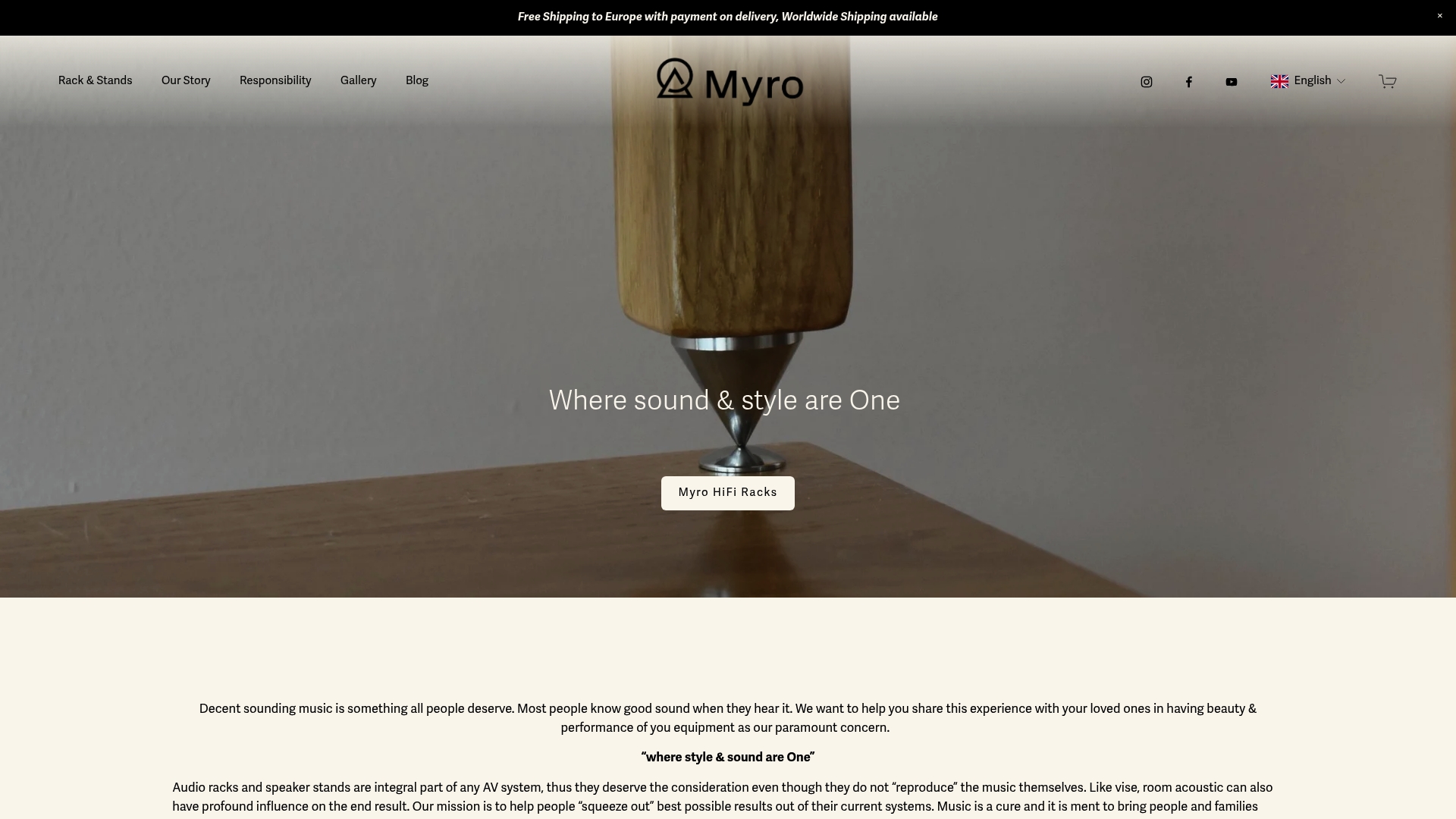
Our collection includes solid wood racks crafted from responsibly sourced hardwoods, each designed to work with your system rather than against it. If you want to see what handcrafted audio furniture looks like in real listening environments, browse our audio furniture gallery for inspiration. And if you are looking for a specific solution, our Myro Racks & Stands combine four generations of woodworking heritage with the acoustic demands of modern HiFi systems. We are happy to help you find the right fit.
Frequently asked questions
What are the best natural materials for audio furniture?
Solid hardwoods like oak, walnut, and maple are the top choices because they minimize unwanted resonance while adding warmth and visual character to any listening room.
How do natural wood racks improve audio quality?
Wood absorbs micro-vibrations that would otherwise enter sensitive components, reducing distortion and delivering a more detailed, natural listening experience.
Are racks made from natural materials more durable than synthetic alternatives?
Natural materials, when maintained, last decades and often improve in appearance over time, making them a longer-lasting investment than most synthetic rack options.
Do natural materials require special care compared to synthetic materials?
Simple care routines like regular dusting and occasional oiling preserve the finish and performance of natural wood, requiring no more effort than caring for quality hardwood flooring.